
Engagement Ring Trends 2026: What Brooklyn Couples Are Choosing Right Now

Quick answer: The 10 defining engagement ring trends of 2026 are lab-grown diamond dominance (now 61% of all engagement rings), the yellow gold resurgence, bezel and architectural settings, east-west diamond orientations, oval and emerald cut supremacy, chunky sculptural bands, champagne-toned diamonds, colored sapphires, evolved toi et moi designs, and a decisive shift toward personalization over production.
About this guide: Written by Sue Kim, GIA-informed engagement ring designer and founder of Haejin Jewelry in Williamsburg, Brooklyn. Trusted by NYC locals and international visitors for custom lab-grown diamond engagement rings, recycled gold, and one-on-one studio consultations.
Every year, a new list of engagement ring trends appears. Most of those lists are written by marketing teams reviewing sales data from a distance.
This one is different. It comes from our studio in Williamsburg, Brooklyn, where these trends are not abstract data points. They are real women sitting across from us, turning a ring slowly on their finger, choosing the shape of a promise.
2026 is not about dramatic reinvention. It is about clarity. The women walking into our studio know what they want. They are choosing rings that feel accurate, not impressive. Rings that match how they actually live.
Here is what we are seeing.
In this guide:
- Lab-grown diamonds cross the majority line
- Yellow gold reclaims its warmth
- Bezel settings and architectural design
- East-west diamond orientations
- Oval and emerald cuts lead
- Chunky bands and sculptural metal
- Champagne and warm-toned diamonds
- Colored sapphires beyond blue
- Toi et moi keeps evolving
- Personalization over production
- A real Brooklyn story: Shea's proposal
- Engagement ring trends 2026 FAQ
Lab-Grown Diamonds Have Crossed the Majority Line
The conversation is over. Lab-grown diamonds are not the alternative anymore. They are the standard.
According to The Knot's 2026 Real Weddings study of more than 10,000 U.S. couples, 61 percent of engagement rings now feature lab-grown diamonds. Lab-grown engagement ring sales rose 31 percent in 2025, while natural diamond sales fell 4 percent. The economic reality is stark: a 1-carat lab-grown diamond retails for around $1,000, compared to approximately $4,200 for a comparable natural stone.
But the women who choose lab-grown in our studio are rarely making a budget decision alone. They are making a values decision. They want a diamond that is chemically and optically identical to a mined stone, graded by the same independent labs (IGI or GIA), cut and polished by the same master craftspeople. The only difference is origin. And for many couples in 2026, that difference is the point.
What this means for you: the money you save on the stone goes directly into the design. Better cut quality. A more considered setting. A ring that is truly yours, not a compromise.
If you are still weighing the decision, our lab-grown diamond engagement ring guide covers everything from certification to cost. Or read why the FTC officially ruled lab-grown diamonds are real diamonds.
Yellow Gold Reclaims Its Warmth
Yellow gold is not making a comeback. It has already arrived.
Thirty-nine percent of couples now choose yellow gold for their engagement rings, according to The Knot's 2026 data. That number has more than doubled in five years. White metals still hold the majority (35 percent white gold, 13 percent platinum), but the trajectory is unmistakable.
The shift started in non-bridal jewelry: gold hoops, chain necklaces, layered bracelets. Women grew comfortable with warm metal against their skin. When the engagement ring conversation arrived, yellow gold was no longer unfamiliar. It was already theirs.
In our Brooklyn studio, we see this play out daily. A woman tries on a solitaire in white gold, then the same setting in 14K yellow. The reaction is almost always the same: a softening. Yellow gold feels warmer on the hand. It pairs naturally with warm skin tones and ages gracefully, developing a subtle patina that many women come to prefer over time.

The recycled 14K and 18K gold we use at Haejin carries this warmth without the environmental cost of new mining. Learn more about our metals and recycled gold sourcing.
Whether you lean toward yellow, white, or rose gold, our Ring Builder lets you preview any metal alongside your preferred diamond shape before committing.
Bezel Settings and the Rise of Architectural Design
The prong setting has dominated engagement rings for generations. In 2026, the bezel is making serious ground.
A bezel setting wraps a thin rim of metal around the entire perimeter of the diamond, holding it flush to the band. The result is architectural: clean, geometric, secure. Industry analysts note that bezel and burnish-set center stones have been increasing steadily for three consecutive years, and the momentum is accelerating in 2026.
The appeal is both aesthetic and practical. A bezel-set ring sits lower on the finger. It catches on nothing. The diamond's vulnerable edges are fully protected from chipping. For women with active lives (and in New York City, that describes most women), this is not a trivial consideration.

The emerald-cut bezel ring above was designed in our studio for a client who wanted exactly this: a ring that felt strong, not delicate. The step-cut diamond paired with the geometric bezel creates something that reads more like modern architecture than traditional jewelry. No prongs. No exposed edges. Just clean metal and confident light.
Bezel settings work beautifully across diamond shapes, from emerald cuts to ovals to rounds. Explore our solitaire engagement rings and contemporary collection to see how different settings change the entire personality of a stone.
East-West Settings: Diamonds Turned on Their Side
One of the most distinctive developments in 2026 is also the simplest. Turn the diamond 90 degrees.
An east-west setting orients an elongated stone horizontally across the band instead of vertically along the finger. The effect is immediate: the ring looks modern, confident, and unlike anything else in the room.
This orientation works best with shapes that have strong directional lines. A horizontally set emerald cut creates a wide, architectural silhouette. A rotated oval feels organic and contemporary. A horizontal marquise stretches elegantly across the finger in a way the traditional vertical placement never quite achieved.
East-west settings are not for everyone. They require a certain comfort with standing apart. But the women choosing them in our studio tend to know exactly what they want. They have been thinking about this ring for a while.


If this resonates, our bespoke custom design process is built for rings that do not exist in a catalog. Start with what you love, and we design it from there. You can also explore which diamond cuts lend themselves to east-west orientation in our diamond shapes guide.
Oval and Emerald Cuts Lead the New Shape Language
The reign of the round brilliant is ending. Not dramatically, but unmistakably.
The Knot's 2026 data places round diamonds at 26 percent and ovals at 25 percent. They are nearly tied. For the first time in over a century, round is no longer dominant by a wide margin. Emerald, pear, marquise, and princess cuts each hold 8 percent, with cushion and radiant at 6 percent each.
The oval's rise makes practical sense. It offers the full brilliant-cut sparkle of a round with an elongated silhouette that flatters virtually every hand, appears 10 to 15 percent larger per carat, and costs 10 to 20 percent less than a comparable round. Most women who try ovals prefer a length-to-width ratio between 1.30 and 1.50.
But the real quiet story of 2026 is the emerald cut. Step-cut diamonds project confidence without volume. Their broad, open facets show clarity honestly, rewarding quality over sheer size. The emerald cut is for the woman who does not need her ring to shout. She needs it to speak clearly.

Our diamond shapes guide breaks down how each shape looks and feels on your hand in real NYC light, not studio lighting.
Design Your Engagement Ring in Brooklyn
Explore our Ring Builder to preview settings, diamond shapes, and metals in real time. Or if you have something specific in mind, start a bespoke consultation at our Williamsburg studio.
Solitaire · Halo · Hidden Halo · Three Stone · Vintage · Pavé & Accented · Toi et Moi · Contemporary
Chunky Bands and Sculptural Metal
Thin, delicate bands are stepping back. In 2026, couples are gravitating toward thicker, more sculptural settings that feel architectural and present on the hand.
This shift is partly practical. A wider band is more durable for daily wear. It provides a stronger platform for bezel and burnish settings. It balances larger diamonds proportionally without the stone overwhelming the metal.
But the shift is also psychological. A chunky band reads as intentional. It signals that the ring was designed, not selected from a display tray. The metal itself becomes a design element rather than merely a delivery system for the stone.
We see this in our studio when clients explore band widths side by side. A 2mm band disappears on the hand. At 3mm to 4mm, the band starts to feel present. The ring becomes a complete piece of jewelry, not just a diamond holder.

This trend pairs naturally with yellow gold, which benefits from the added visual weight. It also connects to the movement we see with couples who design wedding bands with the same intention they bring to the engagement ring. Our Band Atelier lets you customize every dimension of a wedding band, from profile to width to texture, matching this same spirit of deliberate design.
Explore our wedding bands, eternity bands, and stackable bands to see how different profiles pair with engagement ring styles. Or read our ring stacking guide for proportion and pairing advice.
Champagne and Warm-Toned Diamonds
White diamonds are not going anywhere. But champagne diamonds are having a genuine moment in 2026.
Champagne refers to diamonds with a warm, golden-brown hue. The tones range from light honey to deep cognac. These are not "off-color" stones being sold as something else. They are deliberately chosen for their warmth, their quiet personality, and a glow that colorless diamonds simply cannot offer.
Paired with yellow or rose gold, a champagne diamond creates a monochromatic warmth that feels cohesive and considered. The effect is less about sparkle and more about atmosphere. Less spotlight, more candlelight.
For couples drawn to this aesthetic, our custom design process can source champagne-toned lab-grown diamonds in any shape. The standard grading criteria still apply, but the emphasis shifts from "colorless" to "character." Read our diamond certifications guide to understand how grading works across the color spectrum.
Colored Sapphires and Gemstones Move Beyond Blue
Sapphires are surging in 2026, but not just the classic royal blue. Teal sapphires. Peach sapphires. Rich red spinels. Soft pink morganite. The palette has expanded dramatically, and couples are choosing color with real intention.
Colored gemstones allow for a level of personal expression that a white diamond cannot match. Each stone carries its own weight: blue for loyalty, green for renewal, pink for tenderness, red for devotion. A teal sapphire reads entirely differently from a traditional blue one, and the woman who chooses it knows exactly why.

In our Williamsburg studio, we work with lab-grown sapphires, emeralds, and rubies alongside natural gemstones. Our colored gemstone engagement ring guide explores the full spectrum of meanings, settings, and care considerations.
For couples who want the best of both worlds, consider a three-stone design with a white diamond center flanked by colored sapphire side stones. Our three-stone collection shows how these compositions come to life.
Toi et Moi: Two Stones, One Story
The toi et moi engagement ring (French for "you and me") has been building momentum for several years. In 2026, the designs are getting bolder and more personal.
Early toi et moi rings tended toward safe pairings: two matching round diamonds, similar sizes, symmetrical placement. The 2026 versions embrace contrast. A pear sits alongside an oval. An emerald meets a round. Different cuts, different energies, sometimes different colors. The ring becomes a portrait of two people who are not identical but are choosing to face the same direction.

We have written about this style in depth in our Toi et Moi engagement ring guide. The symbolism runs deep, and the design challenges are real. Two stones create two focal points, which demands careful balance between shape, size, and setting height.
Browse our Toi et Moi collection to explore current designs, or bring your vision to a bespoke consultation where we can pair stones together in person.
Personalization Over Production
If one thread unites all ten of these trends, it is this: couples in 2026 are choosing intention over convention.
Seventy-nine percent of engagement ring recipients now participate in selecting their own ring, according to The Knot's 2026 study. Twenty-five percent of couples shop for rings together. The surprise proposal with a mystery ring is fading. What is replacing it is a shared creative process where both people have a voice.
This is what we have always believed at Haejin Jewelry. A ring should not be a product you select from a case. It should be a conversation that becomes an object. A decision you make together about what your partnership looks like, worn on your hand every day.
Whether you start with our Ring Builder at home or walk into our Williamsburg studio for a private consultation, the process is yours. There is no sales floor. No commission pressure. No timeline except the one that feels right to you.
Read about how our design process works or see what others have experienced through our Google and Yelp reviews.
Book Your Consultation
Our Williamsburg studio is open by appointment. Whether you are a New Yorker or visiting the city, we welcome couples from everywhere.
Visit Our Studio · Design Your Ring Online · Build Something No One Else Has
A Real Brooklyn Story: Shea's Rose Gold Proposal
Some trends land differently when you see them lived.
Shea came to our studio wanting a ring that felt warm and unmistakably personal. She chose a custom 14KT rose gold setting with a D color VVS lab-grown diamond. Not because rose gold was trending (though it is). Because it felt like her.
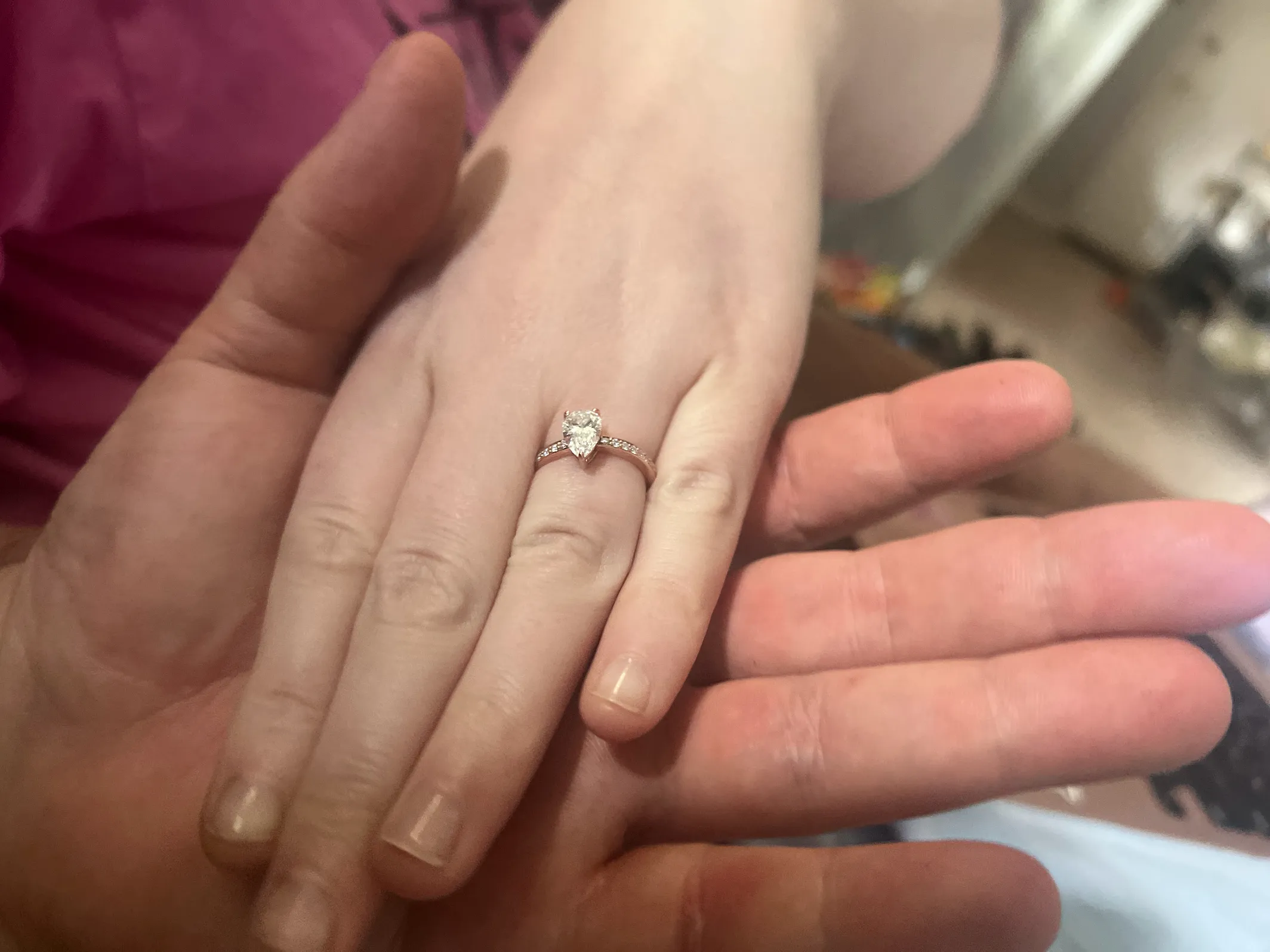
The proposal happened underwater. Her partner planned something that was, by any measure, extraordinary. And when the moment came, the ring was there, holding its own in the middle of all that beauty.
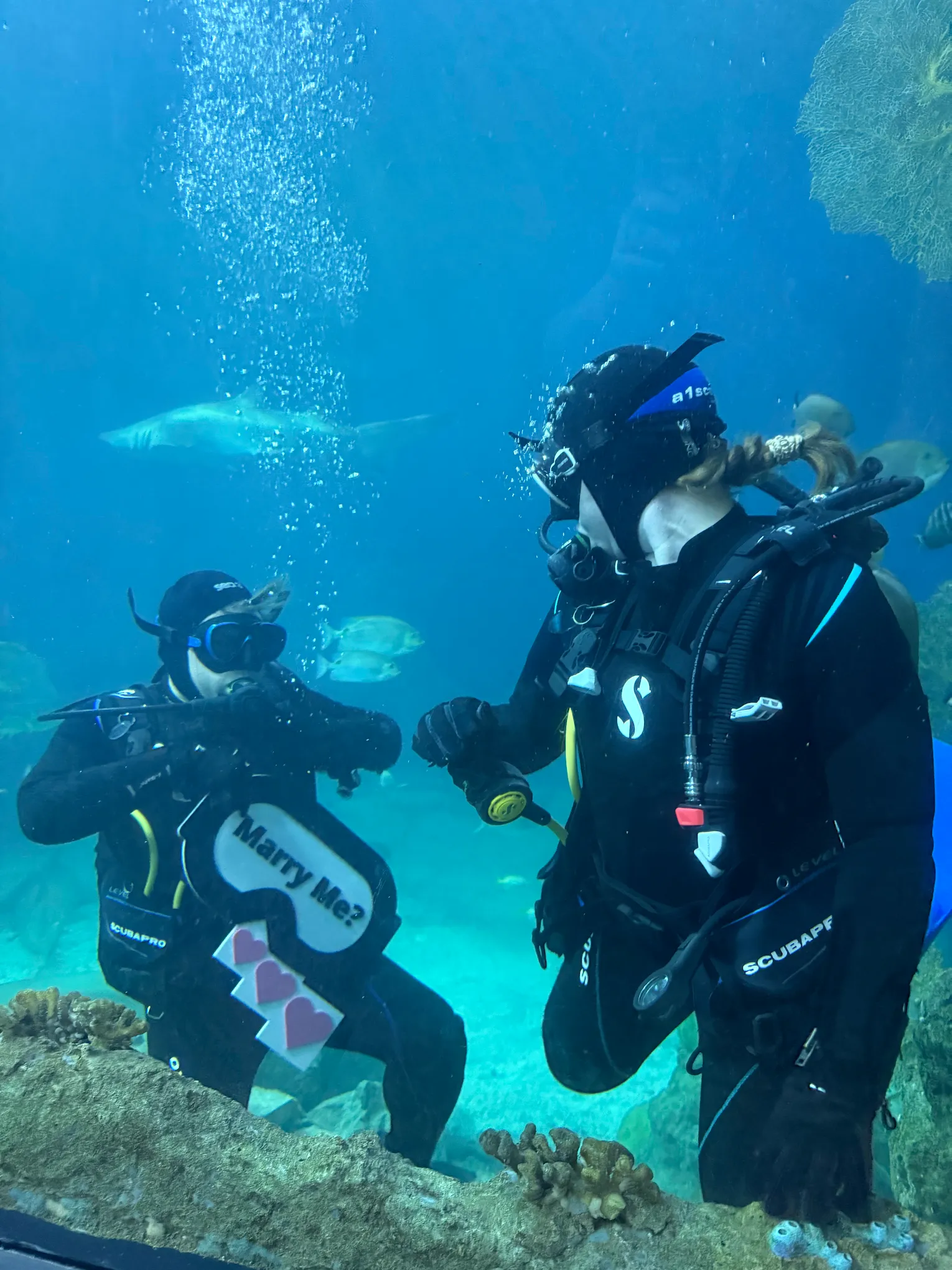
Shea's ring touches several 2026 trends at once: rose gold (the warm metal shift), a lab-grown diamond (the values-driven choice), and fully custom design (personalization over production). But the ring does not exist because of trends. It exists because two people knew what they wanted and found a studio willing to help them build it.
That is what trends look like when they stop being data and start being decisions.
Watch Shea's proposal moment:
If Shea's story resonates, our custom engagement ring guide walks through every step of the bespoke design process.
What These Trends Mean for Your Ring
These ten trends are not instructions. They are observations. They describe what couples are gravitating toward when given space, honest information, and a calm environment to decide.
The common thread is intentionality. Women in 2026 are not choosing rings to impress anyone. They are choosing rings that feel accurate. Rings that reflect how they actually live, what they actually value, and who they are becoming.
If you are in the early stages of exploring, start with our engagement ring budget guide to understand the financial landscape. If you already know what you love, the Ring Builder is ready when you are.
And if you are in Brooklyn, or visiting New York from anywhere in the world, our studio door is open. Schedule a private consultation and sit with us. No sales pressure. No timeline. Just a conversation about what matters to you.
Looking for lab-grown diamond engagement rings in Brooklyn, Williamsburg, or NYC? Start here.
Engagement Ring Trends 2026: FAQ
What are the biggest engagement ring trends in 2026?
The ten defining trends are lab-grown diamond dominance (61% of all engagement rings per The Knot), the yellow gold resurgence (39% market share, doubled in five years), bezel and architectural settings, east-west diamond orientations, oval and emerald cut supremacy, chunky sculptural bands, champagne-toned diamonds, colored sapphires, toi et moi designs, and a decisive shift toward personalization and co-designed rings.
Is yellow gold or white gold more popular for engagement rings in 2026?
White metals still hold a slight majority at 48% combined (35% white gold, 13% platinum), but yellow gold has surged to 39% and has more than doubled its share over the past five years. The trajectory strongly favors yellow gold. At Haejin Jewelry, we work exclusively with recycled gold in all three tones. Learn more about our metals.
What is the most popular diamond shape for engagement rings in 2026?
Round brilliant (26%) and oval (25%) are nearly tied, marking a historic shift. For over a century, round diamonds held an overwhelming majority. Emerald, pear, marquise, and princess cuts each hold about 8%, with cushion and radiant at 6% each. Our diamond shapes guide explores how each cut looks and feels on your hand.
Are lab-grown diamonds still popular in 2026?
Lab-grown diamonds are not just popular. They are the majority. The Knot's 2026 Real Weddings study reports that 61% of engagement rings feature lab-grown diamonds, with sales up 31% year over year. A 1-carat lab-grown diamond retails for around $1,000 versus approximately $4,200 for a comparable natural stone. Read our complete lab-grown diamond guide for a deeper look.
What is an east-west engagement ring setting?
An east-west setting orients an elongated diamond horizontally across the band rather than vertically along the finger. It works best with emerald, oval, and marquise cuts, creating a modern, architectural silhouette. This is one of the most distinctive style developments in 2026 engagement ring design, popular with women who want something immediately recognizable as their own.
Are bezel settings better than prong settings?
Neither is objectively better. Bezel settings offer superior protection for the diamond, a lower profile that resists snagging, and a clean architectural look. Prong settings allow more light into the stone and maximize brilliance. Bezel settings are trending in 2026 for their practical durability and modern aesthetic. The best choice depends on your lifestyle and preferences.
How much should you spend on an engagement ring in 2026?
The average engagement ring spend in 2025 was $4,600, continuing a steady decline from $6,000 in 2021. The old "three months' salary" guideline is outdated. What matters is choosing a budget that feels sustainable for your life, not impressive to anyone else. Our engagement ring budget guide provides honest, detailed guidance.
What engagement ring styles will be timeless beyond 2026?
Solitaire settings, bezel settings, and well-proportioned ovals are strong candidates for lasting relevance. The common thread among timeless designs is simplicity, proportion, and quality of materials over novelty. A well-cut lab-grown diamond in recycled gold will look as considered in twenty years as it does today. Explore our solitaire collection for options designed to endure.